Showing posts with label reading. Show all posts
Showing posts with label reading. Show all posts
Tuesday, 24 October 2017

Friday, 1 September 2017
Monday, 10 July 2017
Tautara Note Taking - Winter Learning Journey: Huriata
Day #3: Wild Eyes
Curious Kiwi, a native New Zealand bird, is your tour guide for today. He is going to take you to visit the Otorohanga Kiwi House and Native Bird Park where many of his aunties and uncles currently live. The bird park is a five hour drive from Dargaville so you hit the road right after breakfast and arrive in Otorohanga at lunch time. As you walk through the birdhouse you learn about the work being done to conserve and protect the native birds of New Zealand. You decide to help out by ‘adopting’ a native animal. Visit the ‘Adopt a Critter page’ on the Otorohanga bird house website to choose one animal to adopt. On your blog, tell us the name of the animal that you chose and a little bit about them. What kind of animal are they? What do they eat? Where do they normally live? You can use Google to help you with your research.
Colomfur is the name I gave it (Pronounced Column-Fur) Reason I named it that was because it's known translation means "Spiny back" so I used Column which is a synonym for spine, the 'fur' represents how i'm allergic to pet dander - so giving it to a reptile is funny.

Curious Kiwi, a native New Zealand bird, is your tour guide for today. He is going to take you to visit the Otorohanga Kiwi House and Native Bird Park where many of his aunties and uncles currently live. The bird park is a five hour drive from Dargaville so you hit the road right after breakfast and arrive in Otorohanga at lunch time. As you walk through the birdhouse you learn about the work being done to conserve and protect the native birds of New Zealand. You decide to help out by ‘adopting’ a native animal. Visit the ‘Adopt a Critter page’ on the Otorohanga bird house website to choose one animal to adopt. On your blog, tell us the name of the animal that you chose and a little bit about them. What kind of animal are they? What do they eat? Where do they normally live? You can use Google to help you with your research.
Colomfur is the name I gave it (Pronounced Column-Fur) Reason I named it that was because it's known translation means "Spiny back" so I used Column which is a synonym for spine, the 'fur' represents how i'm allergic to pet dander - so giving it to a reptile is funny.

Sunday, 9 July 2017
Laura Dekker sailing trip interview - Winter Learning Journey: Huriata
Laura Dekker sailing trip interview:
Question 1) Is this the first time that you've travelled a long distance? If so, what was the distance before/ where did you go?
Question 2) How did you feel about leaving? What were the thoughts you had once you left your previous country?
Question 3) What did you have that lead you through to other countries? What did you use to locate yourself?
Question 4) How did you prepare yourself for the big trip? Who were you with at the time?
Question 5) What was the last country you went to, as it's said "Last for Best"
Question 1) Is this the first time that you've travelled a long distance? If so, what was the distance before/ where did you go?
Question 2) How did you feel about leaving? What were the thoughts you had once you left your previous country?
Question 3) What did you have that lead you through to other countries? What did you use to locate yourself?
Question 4) How did you prepare yourself for the big trip? Who were you with at the time?
Question 5) What was the last country you went to, as it's said "Last for Best"
Travel Diary - Winter Learning Journey: Huriata
09/08 - Dargaville
Today was a long day, we went to Rangitoto, Waipoua forest (The Tane Mahuta Walk) and then finished the day at karekare Beach (Otherwise known as Black-Sand Beach).

Today was a long day, we went to Rangitoto, Waipoua forest (The Tane Mahuta Walk) and then finished the day at karekare Beach (Otherwise known as Black-Sand Beach).

FIVE NATIVE CREATURES TO NZ - Winter Learning Journey: Huriata
Five native creatures to nz
IALT: keep myself knowledgeable and productive about NZ!
KIWI BIRD
The flightless native birds of New Zealand, named the kiwi is one of the most well known animal to NZ. They have sensitive nostrils, long beaks and a fat round shape. The kiwi is used in a variety of ways to symbolise/ represent our country. These creatures eat small portions of seeds, grubs, and a hand full of worms. They can also eat fruit, small crayfish and eels. Fact: People who live in NZ are recognised as 'Kiwi's'. These birds are going through a hard time right now, as their population starts to decrease as more stoats devour them. The stoats are pesty buggers, a predator to the kiwis. People have been working to ridding them (Stoats) as the situation starts to get worst.

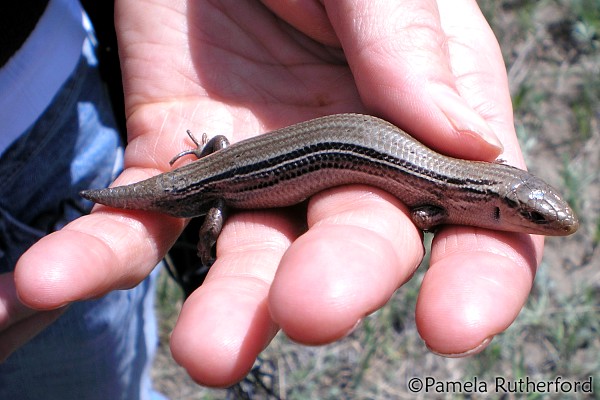
CHEVRON SKINK LIZARDS
The skink lizards are very small, quick creatures. You can usually find them in your backyard - which is where I usually find them. These small things are the colour of black, light brown or lighter, which makes them difficult to spot time-to-time. The Skink diet on insects, such as moths, crickets, earthworms, flies, grubs, caterpillars, grasshoppers, cockroaches and many more largish. These lizards can be found at Great Barrier Island and Little Barrier Island. (Chevron Type)
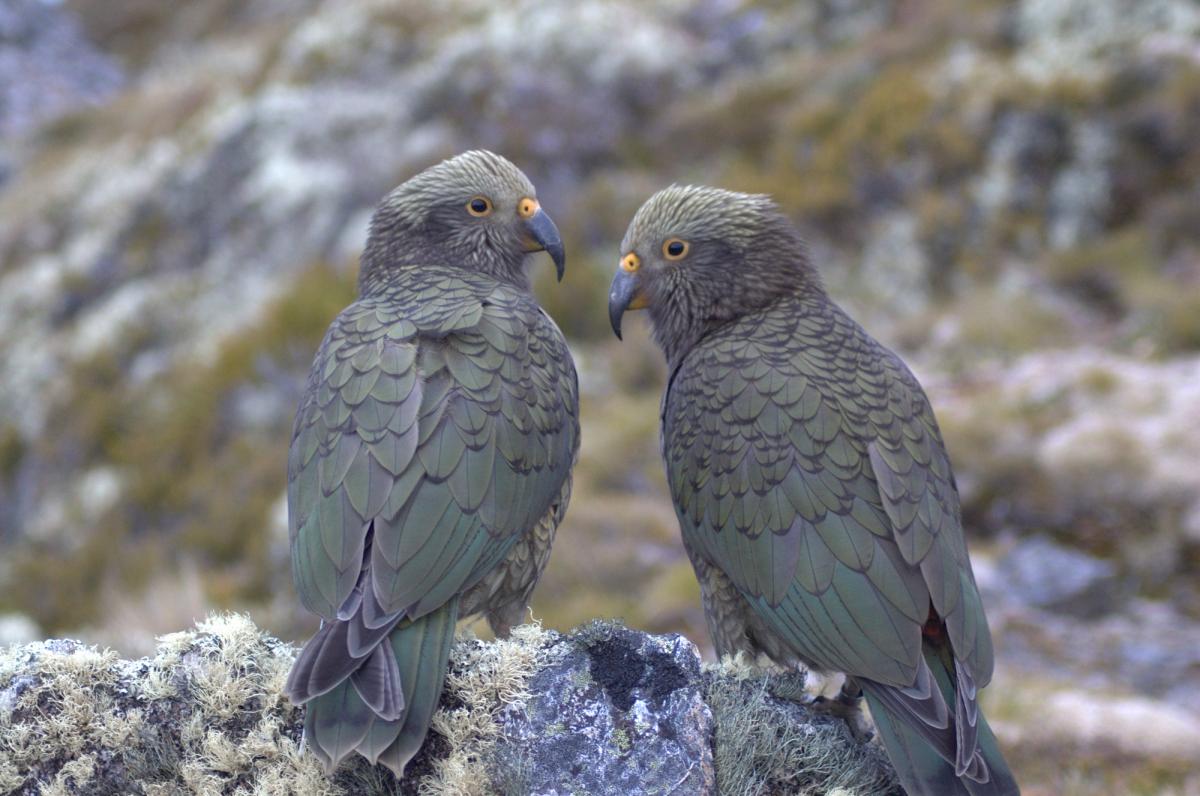
KEA PARROT
These are the only alpine parrots in the world and are commonly found in the 'Arthur’s Pass National Park' on the south island of New Zealand. These parrots get food from the trees (e.g: fruit, leaves, shoot, nectar and seeds) And get insects from within soil and rotten trees. These birds also have a cheeky/ annoying sense to dismantle car parts, so look out.
HECTOR’S DOLPHIN
Named after their founder Sir James hector, these dolphins are native to new Zealand. They are also the worlds smallest dolphin, 4.1 metres long. to be exact. These creatures can be found in the south island waters and you could even possibly swim with them if your interested. Their diet contains of squid, red cod, flatfish and yellow eyed mullet.

FUR SEAL
These furry creatures are spotted at the bottom of the Harbour Bridge on a regular basis. These funny things are usually found in the waters - but it wouldn't be strange if you found one in your back yard, haha! They feed on fish, birds (including penguins) squid and krill.

Saturday, 8 July 2017
Five Things To Do In New Zealand - Winter Learning Journey: Huriata
It's really early in the morning and right now I'm in brain mode, it's 4:07am and my brothers BIRTHDAY!! YAAYYY! We are most probably gonna be having donuts. lol
Day 1: 100% PURE New Zealand : Facts About NZ - Winter Learning Journey: Huriata
Fun Fact's about NZ
If you were to look closely at our country, New Zealand kinda just looks like an upside down boot.

But then if you were to look at Japan - that country just looks like a bigger, backwards way New Zealand! Amirite (Yes, yes I am)

...
New Zealands different climate!
Well, nz has a very different climate during the years - December,January, February being the hottest times of the year and July being the coldest. Which might seem odd for other countries to hear 'Summer Christmas' The average temperature also starts to decrease as you move nearer down south too, going down to about 10°C (14°F) or lower.
Fun Fact: On July the 25th in 2011 there were snow storms occurring over a period of weeks (I remember a lot of hail back then in my old school - had a lot of ice fights/ snow ball fights. One dilemma was that no-body wore gloves so our hands got cold and we got sick)

...
New Zealand's population of who?
New Zealand homes around 4.4 million people, 69% have European ancestors, 14.6% are indigenous Maori (Really? What about white Maori's, did they count that in as well?) 9.2% Asian and 6.9% Non Pacific Maori (Tongan, Samoan)
It is believed to be that the Maori were Polynesian voyagers that settled here in NZ/ Aoteroa. The native people of NZ (Maori) is the main core of how NZ is today - and that the maori share their land and their aroha towards others. But now it's different as children learn negative things from others words and actions...
New Zealand is best known for selling/ producing manuka honey, a health beneficial and delicious treat used by beaty companies and others. This honey is quite rare and expensive - and is shipped to other countries to sell. Not only that, but NZ is well known for their dairy products, cows and milk too.
Thursday, 6 July 2017
Wednesday, 5 July 2017
What the different used of honey: By Huriata and Rosemary!
Here is a presentation that me and Rosemary did for the 'Market Night'. Inside, it contains information about two types of honey - Raw honey and Manuka Honey. When it's talking about Manuka honey, it's the different uses of it. When it's talking about Raw honey (This kinda involves manuka too) it's explaining some of the health you benefit from it.
For more read the presentation - ENJOY!
Friday, 23 June 2017
Monday, 19 June 2017
Friday, 16 June 2017
Thursday, 8 June 2017
Reflection - Huriata
Reflection
This morning after coming late to school I went to the library to start some unfinished work. I tried finishing some of the "Almost Finished" work - which was my Muesli presentation. I only had about three more slides to go and some required a little research. What I learnt during this was that...
What I can improve on next time is summing everything in a paragraph and using prior knowledge to create well sentences. Because I know I could've gotten this task done if I weren't so focused on finding and picking from information. I did learn more than that but I rushed and forgot some of them.
This morning after coming late to school I went to the library to start some unfinished work. I tried finishing some of the "Almost Finished" work - which was my Muesli presentation. I only had about three more slides to go and some required a little research. What I learnt during this was that...
- Porridge contains a special fibre only in oats - called beta-glucan - this lowers cholesterol and helps fight off heart disease.
- That although honey may be good for you, the same symptoms that sugar can have also apply to honey.
- I learnt that the difference between fats - such as saturated fats, Monounsaturated fats and Polyunsaturated fats. Saturated fats is artificial junk fats. Monounsaturated fats are the liquids and oil fats at room temperature . And Polyunsaturated fats are one of the healthy fats found in plants and nuts.
What I can improve on next time is summing everything in a paragraph and using prior knowledge to create well sentences. Because I know I could've gotten this task done if I weren't so focused on finding and picking from information. I did learn more than that but I rushed and forgot some of them.
Thursday, 1 June 2017
Samoan Numbers!! - Samoan Language - Huriata

This thursday morning, I have created a poster. This helps you count to 10 in samoan in no time! GOOD LUCK.
Subscribe to:
Posts (Atom)